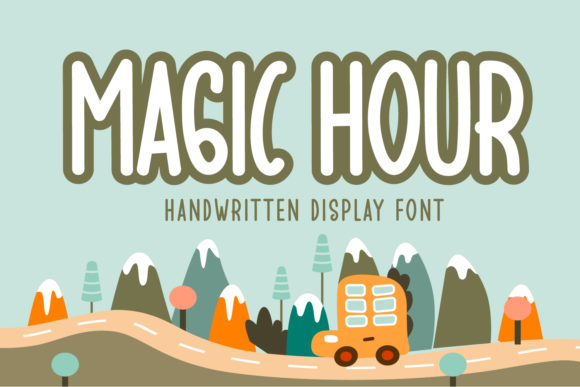
Magic Hour Font for Editorial Design and Content Creation
When it comes to crafting visually compelling content, the right font can elevate a design from good to exceptional. Magic Hour is a natural and tall display font that brings a sense of authenticity and modernity to editorial layouts. With its round letters and trendy appeal, this font is well-suited for a wide range of publishing needs.
Visual Characteristics and Style
Magic Hour features a clean, organic feel with soft curves and balanced proportions. Its tall letterforms give it a distinctive presence, making it ideal for headlines and titles where visual impact is key. The font’s genuine character adds warmth without overwhelming the reader, ensuring that it complements both digital and print formats.
The rounded edges and consistent stroke width contribute to a friendly yet professional appearance. This makes Magic Hour particularly effective in lifestyle blogs, wellness guides, and creative publications where a welcoming tone is desired.
Editorial Applications
Magic Hour shines in various editorial contexts. For blog headers, it provides a strong visual anchor that draws attention while maintaining readability. In magazine covers, its tall structure allows for eye-catching titles that stand out on newsstands or digital feeds.
For ebook titles and chapter openers, Magic Hour offers a consistent and stylish touch that reinforces brand identity. It works especially well when paired with a readable serif or sans serif font for body text, creating a balanced and aesthetically pleasing layout.
In newsletter graphics and quote layouts, the font's rounded forms add a touch of personality, making pull quotes and featured insights more engaging. Its versatility also extends to printable guides and worksheets, where it can be used for headings or section titles without compromising clarity.
Readability and Practical Use
While Magic Hour is primarily a display font, its legibility on screen and in print makes it suitable for short-form text such as subtitles, section headings, and accent typography. However, it is not recommended for long blocks of body copy due to its decorative nature.
When designing for mobile layouts, it’s important to ensure that Magic Hour remains legible at smaller sizes. Testing across different devices and resolutions will help maintain the font’s effectiveness in various contexts.
For PDF exports and print materials, the font’s clean design ensures that it retains its quality and does not distort or pixelate. This makes it an excellent choice for publication branding, packaging design, and any content that requires high-quality output.
Font Pairing and Design Consistency
Pairing Magic Hour with a complementary font can enhance the overall design. A classic serif font like Garamond or Georgia can provide a contrast that balances the display font’s modernity with traditional elegance. Alternatively, a clean sans serif font like Helvetica or Arial can offer a more contemporary look, ideal for digital media and web design.
For social media graphics and web banners, using Magic Hour alongside a simpler typeface ensures that the message remains clear while still capturing attention. This approach supports a cohesive visual hierarchy, guiding readers through the content smoothly.
Brand Identity and Publication Tone
The use of Magic Hour contributes to a publication’s brand identity by reinforcing its visual tone. Whether it's a digital magazine, a creator newsletter, or a wedding guide, the font helps establish a consistent aesthetic that aligns with the publication’s voice.
In content branding, Magic Hour can be used in logos, taglines, and promotional materials to create a memorable impression. Its unique style supports creative fonts and modern typography trends, making it a valuable asset for independent content brands and editorial designers.
For course creators and digital product developers, Magic Hour adds a polished finish to worksheets, lead magnets, and printable planners. It enhances the user experience by making information more digestible and visually appealing.
Licensing and Commercial Use
Before incorporating Magic Hour into commercial projects, it’s essential to review the licensing terms. For ebooks, templates, printables, paid newsletters, client publications, and digital downloads, a proper commercial license ensures that the font is used legally and ethically.
Checking for included styles, alternates, ligatures, weights, and multilingual support is also crucial for ensuring that the font meets the specific needs of the project. These features can influence how effectively the font integrates into different design elements and language requirements.
By selecting the right font for each purpose, content creators can maintain consistency across their work while supporting a strong brand identity and reader engagement.